Fatsia Spiderweb: A Unique and Eye-catching Houseplant
If you're looking for a houseplant that is both unique and eye-catching, the Fatsia Spiderweb may be just what you need. With its striking white variegation on dark green leaves, this plant is sure to draw attention wherever you place it.
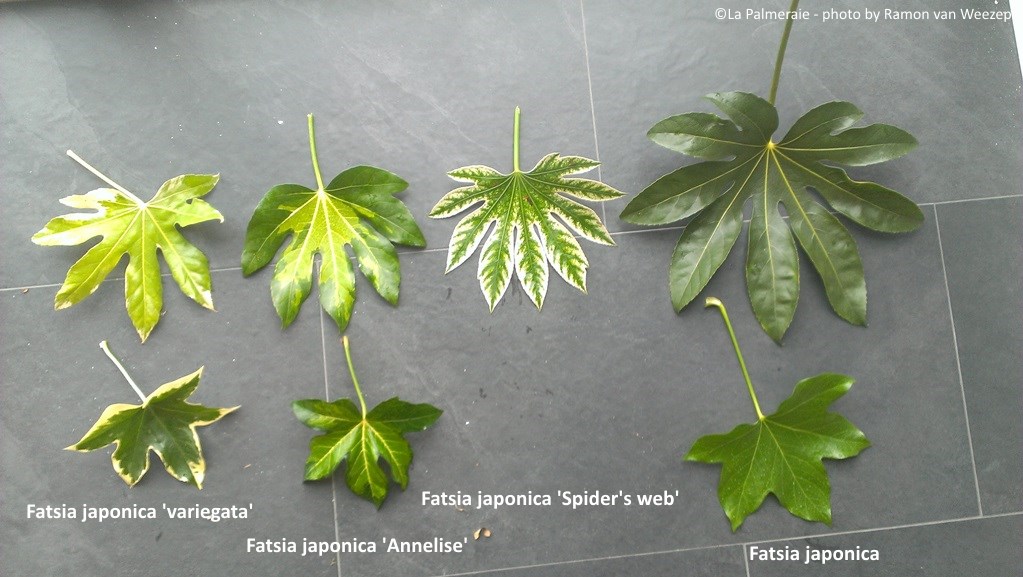
The Fatsia Spiderweb (Fatsia japonica 'Spider's Web') is a variety of the Fatsia japonica plant, which is native to Japan, Korea, Taiwan, and China. It is a popular houseplant due to its unusual appearance and easy-to-care-for nature. The variegated leaves have splashes of white that resemble spiderwebs, hence the name.
In this article, we'll take a closer look at the Fatsia Spiderweb and explore its origins, care requirements, and other interesting facts.
Origins of the Fatsia Spiderweb
The Fatsia japonica plant was first introduced to Europe in the 19th century as an ornamental plant. It quickly became popular due to its attractive foliage and ease of care. The Spiderweb variety was first discovered in a nursery in England in the 1990s, and it has since become a sought-after plant for collectors and enthusiasts.
Care Requirements
The Fatsia Spiderweb is a relatively low-maintenance plant that can thrive in a wide range of conditions. Here are some key care requirements to keep in mind:
- Light: The Fatsia Spiderweb prefers bright, indirect light but can tolerate lower light levels.
- Watering: Water your plant when the top inch of soil feels dry. Be careful not to overwater, as the plant can be prone to root rot.
- Humidity: This plant likes high humidity levels, so consider using a humidifier or placing a tray of water near the plant.
- Temperature: The Fatsia Spiderweb can tolerate a range of temperatures, but it prefers temperatures between 60 and 75 degrees Fahrenheit.
- Soil: Use a well-draining soil mix that is rich in organic matter.
- Fertilizer: Feed your plant once a month during the growing season with a balanced fertilizer.
Propagation
The Fatsia Spiderweb can be propagated through stem cuttings or by division. Here's a closer look at each method:
- Stem cuttings: Take a stem cutting that is several inches long and has a few leaves attached. Remove the lower leaves and dip the cut end in rooting hormone. Plant the cutting in moist soil and keep it in a warm, humid location until it roots.
- Division: Carefully remove the plant from its pot and separate the root ball into two or more sections. Replant each section in a new pot with fresh soil.
Common Problems
The Fatsia Spiderweb is generally a hardy plant, but it can be susceptible to a few common problems. Here are some issues to watch out for:
- Spider mites: These tiny pests can cause webbing on the leaves and cause them to yellow and drop off. Treat infestations with insecticidal soap or neem oil.
- Scale insects: These insects can appear as small bumps on the stems and leaves. They secrete a sticky substance that attracts ants and can cause leaf drop. Use a cotton swab dipped in rubbing alcohol to remove scales.
- Root rot: Overwatering can lead to root rot, which can cause the plant to wilt and die. Allow the soil to dry out before watering again, and make sure the pot has drainage holes.
Interesting Facts
Here are a few interesting facts about the Fatsia Spiderweb:
- The Fatsia japonica plant is also known as the "false castor oil plant" because it resembles the castor oil plant (Ricinus communis).
- The Spiderweb variety was named the 2008 Plant of the Year by the Royal Horticultural Society.
- In Japan, the Fatsia japonica plant is used in traditional medicine to treat a variety of ailments, including coughs, colds, and headaches.
If you're looking for a houseplant that is both unique and easy to care for, the Fatsia Spiderweb may be just what you need. With its striking variegation and interesting history, this plant is sure to add a touch of intrigue to any room.
Frequently Asked Questions
Q1. Is the Fatsia Spiderweb toxic to pets?
A1. Yes, the Fatsia Spiderweb is toxic to pets if ingested. Keep the plant out of reach of cats, dogs, and other pets.
Q2. Can the Fatsia Spiderweb be grown outdoors?
A2. Yes, the Fatsia Spiderweb can be grown outdoors in USDA zones 8-11. It prefers partial shade and moist, well-draining soil.
Q3. How often should I fertilize my Fatsia Spiderweb?
A3. Feed your plant once a month during the growing season with a balanced fertilizer.
Q4. What is the best location for my Fatsia Spiderweb?
A4. The Fatsia Spiderweb prefers bright, indirect light but can tolerate lower light levels. It also likes high humidity levels, so consider using a humidifier or placing a tray of water near the plant.
Q5. How tall does the Fatsia Spiderweb grow?
A5. The Fatsia Spiderweb can grow up to 6 feet tall in ideal conditions.
Q6. How do I know when to water my Fatsia Spiderweb?
A6. Water your plant when the top inch of soil feels dry. Be careful not to overwater, as the plant can be prone to root rot.
Q7. Can the Fatsia Spiderweb tolerate cold temperatures?
A7. The Fatsia Spiderweb can tolerate temperatures down to 20 degrees Fahrenheit but prefers temperatures between 60 and 75 degrees Fahrenheit.
Q8. How do I propagate my Fatsia Spiderweb?
A8. The Fatsia Spiderweb can be propagated through stem cuttings or by division. See the "Propagation" section above for more details.
Q9. What kind of soil does the Fatsia Spiderweb need?
A9. Use a well-draining soil mix that is rich in organic matter.
Q10. How often should I mist my Fatsia Spiderweb?
A10. Mist your plant once a week to help increase humidity levels.
11 Fatsia spiderweb Images

Image Result For Fatsia Japonica Spiders Web Fatsia Japonica

Fatsia Japonica Spiders Web Fatsia Japonica Fatsia Japonica Spiders

Spider Web Variegated Fatsia Fatsia Japonica Flower Garden Design

Pin Op In En Om De Tuin

Fatsia Japonica Spiderweb Specials From Bakker Spalding Garden

Fatsia Japonica Spiderweb Delivery Height 4550 Cm Pot Size 17 Cm

Pin Op Plantjes
Tuin

Fatsia 3g Lathams Nursery Fatsia Japonica Evergreen Shrub Plant

Fatsia Spiders Web Fatsia Japonica Shade Plants Japonica

Fatsia Japonica Spiders Web Japanese Aralia Bank 2 Above Log Store
Post a Comment for "Fatsia Spiderweb: A Unique and Eye-catching Houseplant"