The Spotted Aloe: A Guide to the Succulent World
Succulents have become a popular houseplant trend in recent years, and for good reason! They are easy to care for, come in various shapes and sizes, and can add a touch of greenery to any space. One particular succulent that has caught the attention of many is the Spotted Aloe.
The Spotted Aloe, also known as Aloe maculata or Aloe saponaria, is a perennial plant native to South Africa. It's characterized by its fleshy, spotted leaves that grow in a rosette shape. Although it's not as well-known as other succulents, the Spotted Aloe is a great addition to any collection.
Here are 15 things you need to know about the Spotted Aloe:
1. Appearance
The Spotted Aloe has thick, triangular leaves with white spots that form a unique pattern. Its leaves range from green to reddish-brown and can grow up to six inches long. In the summer, the Spotted Aloe produces tall stems with orange-red flowers that attract hummingbirds.
2. Light Requirements
Like most succulents, the Spotted Aloe prefers bright, indirect sunlight. Too much direct sunlight can scorch its leaves, while too little light can cause them to stretch out and lose their color.
3. Soil Needs
The Spotted Aloe thrives in well-draining soil that's gritty and sandy. Avoid using heavy potting soils that retain moisture, which can cause root rot.
4. Watering Frequency
As a succulent, the Spotted Aloe can store water in its leaves and roots. Therefore, it doesn't require frequent watering. Water your Spotted Aloe when the soil is completely dry, and be sure to allow any excess water to drain out of the pot.
5. Temperature Tolerance
The Spotted Aloe can tolerate a wide range of temperatures, but it prefers to be in a warm environment. It can survive in temperatures as low as 50°F (10°C) and as high as 85°F (29°C).
6. Propagation
The Spotted Aloe can be propagated through stem cuttings or by removing offsets, which are small plants that grow from the mother plant's base. Allow the cuttings or offsets to dry out for a few days before planting them in well-draining soil.
7. Fertilization
The Spotted Aloe doesn't require frequent fertilization, but you can add a slow-release fertilizer to the soil during the growing season to promote healthy growth.
8. Pests and Diseases
The Spotted Aloe is generally resistant to pests and diseases. However, overwatering or poor drainage can lead to root rot, while too much direct sunlight can cause sunburn.
9. Toxicity
Like many succulents, the Spotted Aloe contains saponins, which can cause mild irritation if ingested. Keep it out of reach of children and pets.
10. Companion Plants
The Spotted Aloe looks great when paired with other succulents, such as Echeveria and Sedum. You can also mix it with non-succulent plants like Snake Plant and ZZ Plant for variety.
11. Container Gardening
The Spotted Aloe is a great choice for container gardening. Its compact size makes it perfect for small spaces, and you can easily move it around to find the best spot for light.
12. Landscape Design
In addition to being a great houseplant, the Spotted Aloe can also be used in landscaping. It looks great in rock gardens, as well as in mixed borders with other drought-tolerant plants.
13. Medicinal Uses
The Spotted Aloe has been used for medicinal purposes for centuries. Its gel can be applied topically to soothe skin irritations and burns.
14. Symbolism
In some cultures, the Spotted Aloe is said to bring good luck and protect against evil spirits. It's also considered a symbol of endurance and resilience.
15. Availability
The Spotted Aloe is readily available at most nurseries and garden centers. You can also find it online or through specialty succulent retailers.
The Spotted Aloe is a unique and low-maintenance succulent that's perfect for both indoor and outdoor spaces. Remember to give it plenty of bright, indirect sunlight and well-draining soil, and water it only when necessary. With proper care, your Spotted Aloe will thrive and add beauty to your home or garden.
Frequently Asked Questions
Q1. How often should I water my Spotted Aloe?
A: Water your Spotted Aloe when the soil is completely dry, which can range from every two weeks to once a month depending on the environment.
Q2. Can I plant my Spotted Aloe in a terrarium?
A: The Spotted Aloe prefers well-draining soil, so it's not recommended to plant it in a closed terrarium where moisture can accumulate.
Q3. How big does the Spotted Aloe grow?
A: The Spotted Aloe can grow up to six inches long and four inches wide.
Q4. Can I prune my Spotted Aloe?
A: Yes, you can prune your Spotted Aloe to remove any dead or damaged leaves. Be sure to use clean, sharp scissors or pruning shears.
Q5. Does the Spotted Aloe need fertilizer?
A: The Spotted Aloe doesn't require frequent fertilization, but you can add a slow-release fertilizer to the soil during the growing season.
Q6. Can I propagate my Spotted Aloe in water?
A: No, the Spotted Aloe should be propagated in well-draining soil.
Q7. How much sunlight does the Spotted Aloe need?
A: The Spotted Aloe prefers bright, indirect sunlight. Avoid placing it in direct sunlight for extended periods of time.
Q8. Is the Spotted Aloe toxic to pets?
A: Yes, the Spotted Aloe contains saponins, which can cause mild irritation if ingested by pets.
Q9. Can I plant my Spotted Aloe outdoors?
A: Yes, the Spotted Aloe can be planted outdoors in well-draining soil and in a location that receives plenty of sunlight.
Q10. How often should I fertilize my Spotted Aloe?
A: You can add a slow-release fertilizer to the soil during the growing season, typically once every two to three months.
14 Spotted aloe Images

Aloe Transvaalensis Zebrina Plants Succulents Plant Leaves

500 Aloe Ideas In 2021 Flowering Succulents Aloe Aloe Leaf

Pin De OwlyStitch En Mediterranean Garden

Aloe Maculata Soap Aloe World Of Succulents Succulents Blooming

Aloe Christmas Carol A Petite Aloe With Festive Color Dark Green

Pin On Gardening

Aloenobilis Succulents Plants Aloe

Aloe Aculeata XL 2 Gallon Rare South African Aloe Nearing
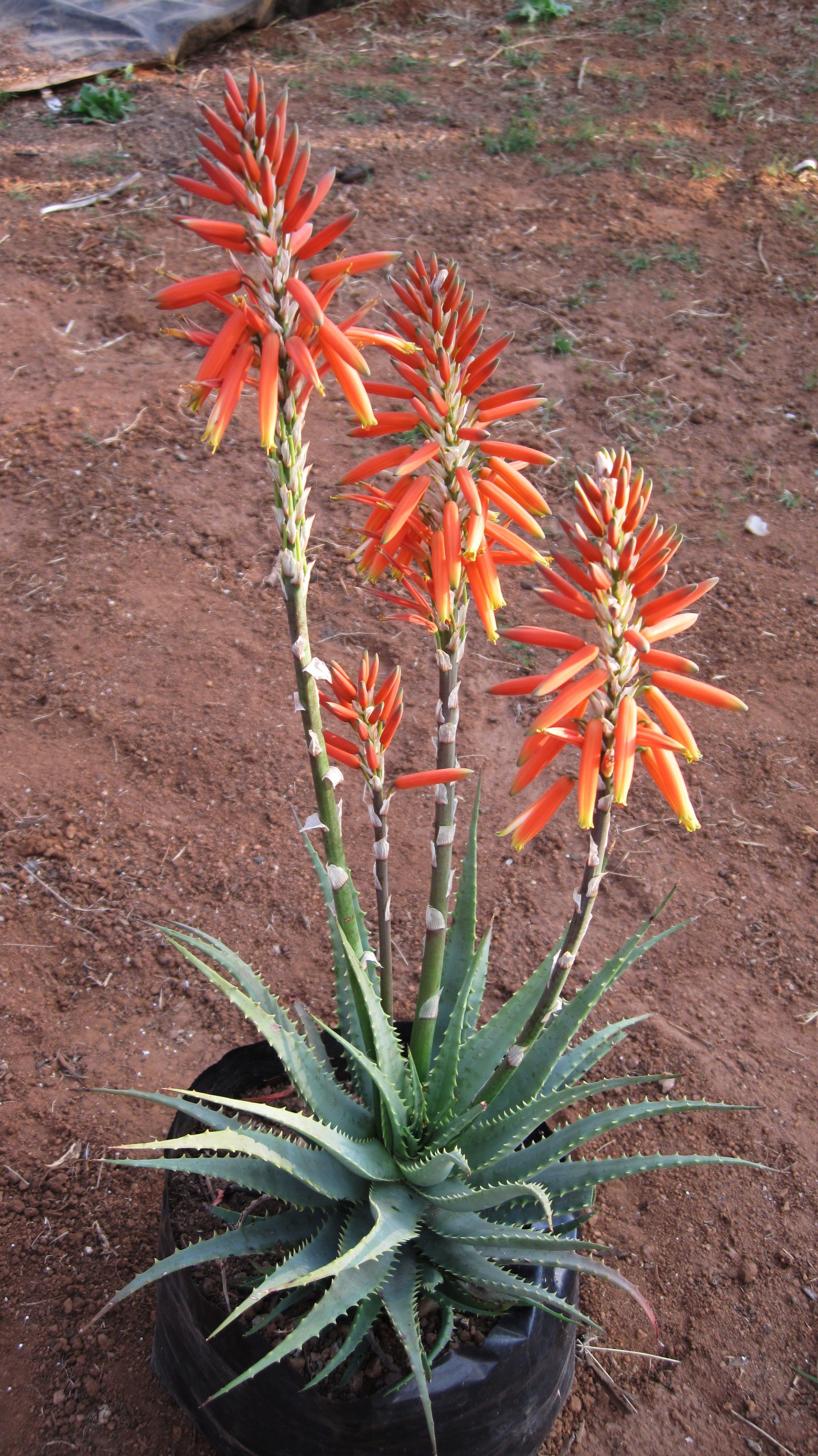
Attractive Resistance Containers Structural Orangered Resistant

9 Natural Remedies That You Can Use To Get Rid Of That Pesky Scar

Haworthia Aloe Vera Cactus Succulent Plant White Spots Planting

Pin On Gardening

Why Aloe Vera Leaf Have White Spots Gardening Garden DIY Home

745 Best Images About Hello Aloe On Pinterest Aloe Vera Container
Post a Comment for "The Spotted Aloe: A Guide to the Succulent World"